Buy freexxx.eu ?
We are moving the project
freexxx.eu .
Are you interested in purchasing the domain
freexxx.eu ?
domain@kv-gmbh.de · 0541-91531010
Buy freexxx.eu ?
What is solar energy and the solar module?
Solar energy is energy that is harnessed from the sun's rays and converted into electricity or heat. This renewable energy source is abundant and sustainable, making it an attractive option for reducing reliance on fossil fuels. A solar module, also known as a solar panel, is the key component in capturing solar energy. It is made up of multiple solar cells that convert sunlight into electricity through the photovoltaic effect. When multiple solar modules are connected together, they form a solar array that can generate significant amounts of electricity for residential, commercial, or industrial use. **
What is the energy output of a solar module?
The energy output of a solar module is typically measured in watts peak (Wp) or kilowatts peak (kWp). This measurement represents the maximum power output that the solar module can produce under ideal conditions, such as direct sunlight and optimal temperature. The energy output can vary depending on factors like the size and efficiency of the solar module, as well as the amount of sunlight it receives. Overall, solar modules are designed to convert sunlight into electricity, providing a renewable source of energy for various applications. **


Similar search terms for ENERGY-GAB0001-Delivery-Module
Top-Angebote
Products related to ENERGY-GAB0001-Delivery-Module:



-
With how many volts does a normal PV module for energy self-sufficiency actually work?
A normal PV module for energy self-sufficiency typically works with around 12 volts. This voltage is commonly used in off-grid solar systems to charge batteries and power small appliances. The 12-volt system is efficient and practical for residential or small-scale applications, providing enough power to meet basic energy needs. **
-
Can I use a CI module instead of a Freenet module?
No, you cannot use a CI module instead of a Freenet module. CI modules and Freenet modules are designed for different purposes and are not interchangeable. CI modules are used for continuous integration and deployment, while Freenet modules are used for peer-to-peer file sharing and censorship-resistant communication. It is important to use the appropriate module for the specific task at hand to ensure compatibility and functionality. **
-
What is module metadata?
Module metadata is information about a software module that describes its characteristics, dependencies, and functionality. It typically includes details such as the module's name, version number, author, description, and any dependencies it relies on to function properly. This metadata helps developers understand how the module works, what it does, and how it can be used in their projects. It also helps with managing dependencies and ensuring compatibility between different modules within a software system. **
-
Is this module deadly?
No, this module is not deadly. It is designed to provide information and guidance on a specific topic, and it does not pose any physical harm to individuals. It is important to approach the module with a clear mind and follow any safety guidelines provided, but there is no inherent danger associated with the module itself. **


What is the difference between a CI module and a CI+ module?
A CI module (Common Interface) is a hardware device that allows a TV to receive encrypted TV channels by inserting a conditional access module (CAM) with a smart card. On the other hand, a CI+ module is an upgraded version of the CI module that includes additional features like the ability to support interactive services, on-demand content, and high-definition channels. CI+ modules are backward compatible with CI slots, but CI modules are not compatible with CI+ slots due to the enhanced features of CI+ modules. **
What is a WLAN module?
A WLAN module is a hardware component that enables a device to connect to a wireless local area network (WLAN). It typically consists of a radio transceiver, antenna, and firmware that allows the device to communicate wirelessly with other devices on the network. WLAN modules are commonly used in devices such as laptops, smartphones, and IoT devices to provide wireless connectivity for internet access and data transfer. **
Top-Angebote
Products related to ENERGY-GAB0001-Delivery-Module:
-
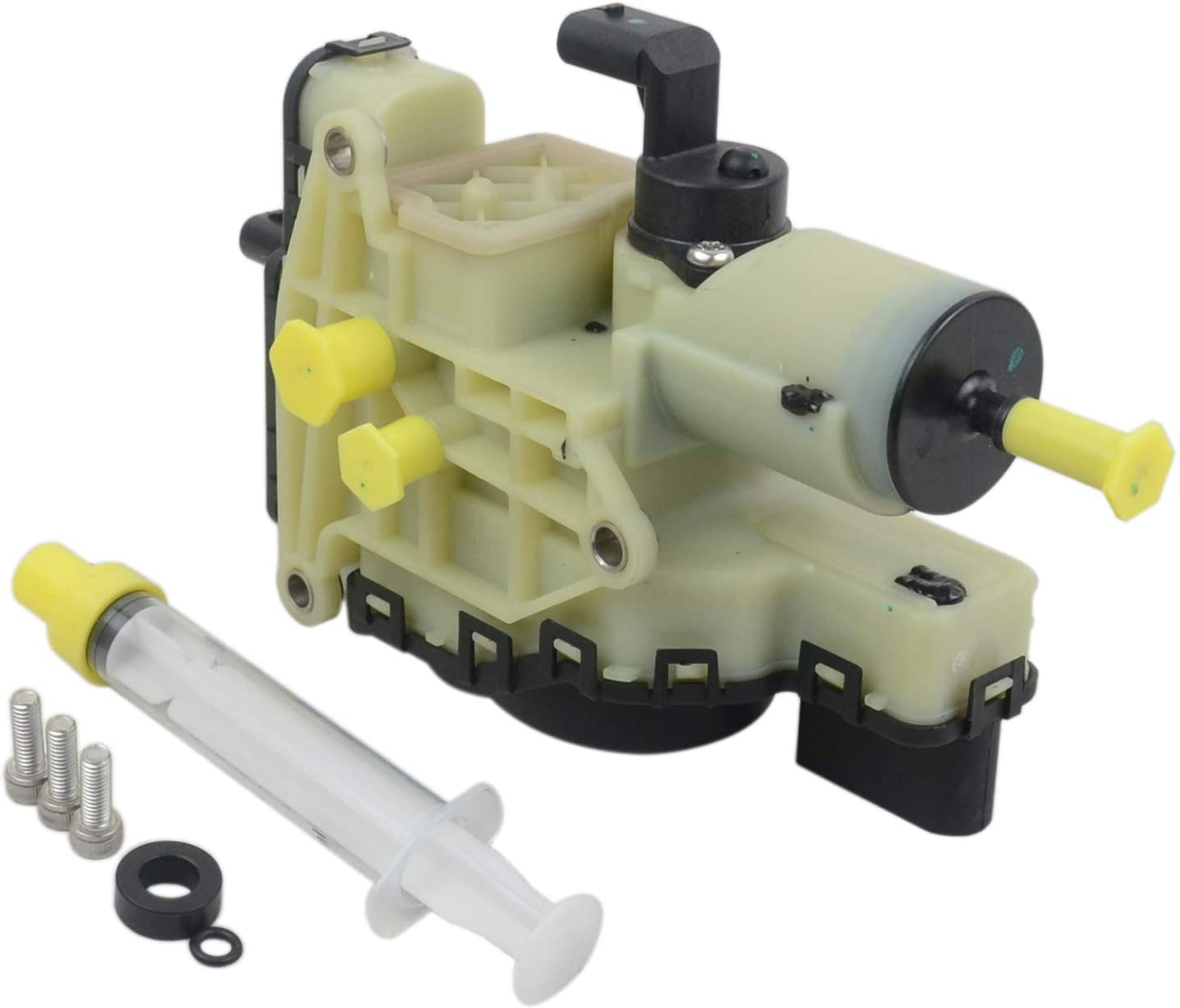
ENERGY GAB0001 Delivery Module, urea injectionTecDoc Engine Number: 23782, 22149, 25841, 25843, 24892, 30594, 27356, 23792, 25403, 25739, 26600, 28072, 24719, 24720, 24721, 24722, 23178, 24810, 23783, 23754, 34688, 23926, 27529, 26990, 26065, 18197; Construction Year from: 09/2014, 05/2011, 07/2014, 08/2012, 05/2009, 11/2010, 06/2013, 04/2009, 03/2012, 08/2010; Construction Year to: 02/2016, 12/2014, 07/2015, 05/2013, 11/2015, 08/2015, 08/2016, 04/2009, 12/2013, 10/2012, 08/2010, 12/2010, 01/2010, 07/2011, 01/2011, 08/2011, 01/2013, 03/2015; for OE number: 002 470 68 94; Engine Code: OM 642.85...<D 30>407,99 £*Shipping: 1,99 £Secure redirect to the provider
-
What is solar energy and the solar module?
Solar energy is energy that is harnessed from the sun's rays and converted into electricity or heat. This renewable energy source is abundant and sustainable, making it an attractive option for reducing reliance on fossil fuels. A solar module, also known as a solar panel, is the key component in capturing solar energy. It is made up of multiple solar cells that convert sunlight into electricity through the photovoltaic effect. When multiple solar modules are connected together, they form a solar array that can generate significant amounts of electricity for residential, commercial, or industrial use. **
-
What is the energy output of a solar module?
The energy output of a solar module is typically measured in watts peak (Wp) or kilowatts peak (kWp). This measurement represents the maximum power output that the solar module can produce under ideal conditions, such as direct sunlight and optimal temperature. The energy output can vary depending on factors like the size and efficiency of the solar module, as well as the amount of sunlight it receives. Overall, solar modules are designed to convert sunlight into electricity, providing a renewable source of energy for various applications. **
-
With how many volts does a normal PV module for energy self-sufficiency actually work?
A normal PV module for energy self-sufficiency typically works with around 12 volts. This voltage is commonly used in off-grid solar systems to charge batteries and power small appliances. The 12-volt system is efficient and practical for residential or small-scale applications, providing enough power to meet basic energy needs. **
-
Can I use a CI module instead of a Freenet module?
No, you cannot use a CI module instead of a Freenet module. CI modules and Freenet modules are designed for different purposes and are not interchangeable. CI modules are used for continuous integration and deployment, while Freenet modules are used for peer-to-peer file sharing and censorship-resistant communication. It is important to use the appropriate module for the specific task at hand to ensure compatibility and functionality. **
Similar search terms for ENERGY-GAB0001-Delivery-Module
-
RIDEX 4254U0014 Delivery Module, urea injectionConstruction Year to: 07/2015, 02/2016, 12/2014, 11/2015, 05/2013, 08/2015, 12/2015, 08/2016, 04/2009, 12/2013, 10/2012, 08/2010, 12/2010, 01/2010, 07/2011, 01/2011, 08/2011, 01/2013, 08/2014, 03/2015; TecDoc Engine Number: 23782, 22149, 25841, 25843, 24892, 30594, 27356, 23792, 25403, 25739, 26600, 28072, 24719, 24720, 24721, 24722, 23178, 24810, 23783, 23754, 23926, 31393, 27529, 26990, 26065, 26045, 18197, 34682; Construction Year from: 09/2014, 05/2011, 07/2014, 08/2012, 05/2009, 11/2010, 06/2013, 03/2012328,99 £*Shipping: 1,99 £Secure redirect to the provider
-
What is module metadata?
Module metadata is information about a software module that describes its characteristics, dependencies, and functionality. It typically includes details such as the module's name, version number, author, description, and any dependencies it relies on to function properly. This metadata helps developers understand how the module works, what it does, and how it can be used in their projects. It also helps with managing dependencies and ensuring compatibility between different modules within a software system. **
-
Is this module deadly?
No, this module is not deadly. It is designed to provide information and guidance on a specific topic, and it does not pose any physical harm to individuals. It is important to approach the module with a clear mind and follow any safety guidelines provided, but there is no inherent danger associated with the module itself. **
-
What is the difference between a CI module and a CI+ module?
A CI module (Common Interface) is a hardware device that allows a TV to receive encrypted TV channels by inserting a conditional access module (CAM) with a smart card. On the other hand, a CI+ module is an upgraded version of the CI module that includes additional features like the ability to support interactive services, on-demand content, and high-definition channels. CI+ modules are backward compatible with CI slots, but CI modules are not compatible with CI+ slots due to the enhanced features of CI+ modules. **
-
What is a WLAN module?
A WLAN module is a hardware component that enables a device to connect to a wireless local area network (WLAN). It typically consists of a radio transceiver, antenna, and firmware that allows the device to communicate wirelessly with other devices on the network. WLAN modules are commonly used in devices such as laptops, smartphones, and IoT devices to provide wireless connectivity for internet access and data transfer. **
* All prices are inclusive of VAT and, if applicable, plus shipping costs. The offer information is based on the details provided by the respective shop and is updated through automated processes. Real-time updates do not occur, so deviations can occur in individual cases. ** Note: Parts of this content were created by AI.